In the world of international diplomacy, words carry the weight of history, and few things are as sacred as the memory of those who served. Recently, a major political firestorm ignited after former President Donald Trump made a series of dismissive remarks regarding the role of international allies during the conflict in Afghanistan.
The response was swift and unyielding. In a rare and pointed move, British Prime Minister Keir Starmer rebukes Trump for what he described as a fundamental misunderstanding of the special relationship and the shared blood spilled on the battlefield. It’s a moment that reminds us how easily political rhetoric can bruise long-standing international alliances.
The Spark: What Was Actually Said?
The controversy began during a campaign-style rally where the former president questioned the efficacy and commitment of non-U.S. forces during the two-decade-long war. The Donald Trump Afghanistan remarks suggested that European and UK forces were largely “ineffectual” and that the United States carried the entire burden of the “forever war” without meaningful help from its partners.
For those who were actually in the trenches, these words felt like a slap in the face. The NATO troops Afghanistan controversy quickly went viral, as veterans and historians scrambled to present the actual data. Since the start of the conflict in 2001, dozens of nations stood alongside the U.S., often taking on some of the most dangerous patrol sectors in Helmand and Kandahar provinces.
The Human Cost of Diplomacy
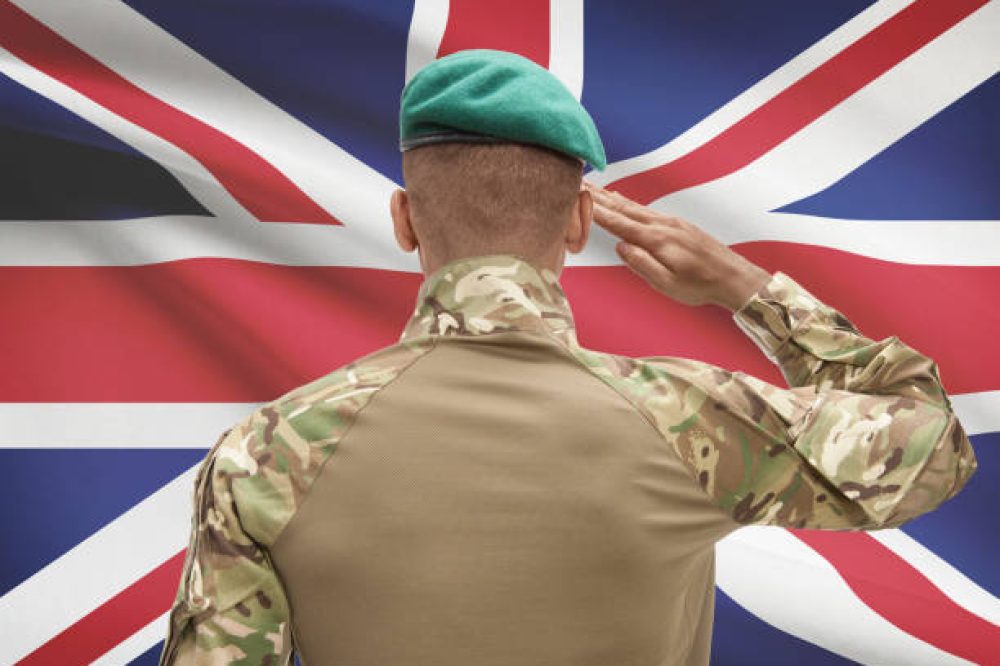
It’s easy to talk about geopolitics in the abstract, but the reality is measured in lives. When the Prime Minister spoke out, he wasn’t just talking about policy; he was defending a British soldiers sacrifice criticism that many felt was deeply unfair. Over 450 British personnel lost their lives in the conflict, and thousands more returned home with life-changing injuries, both physical and mental.
Starmer’s tone was one of somber frustration. Reports indicated that Starmer condemns Trump comments as being “dishonorable” to the families who still grieve their loved ones. By framing the contribution of allies as negligible, the rhetoric risked rewriting a history that was forged in fire and mutual trust across the Atlantic.
Why the Timing Matters
This isn’t just about the past; it’s about the future of the “Special Relationship.” We are currently seeing a significant spike in UK US diplomatic tensions as the 2026 political cycle begins to heat up. London is watching Washington closely, wondering if the next administration will value the defensive pacts that have defined the Western world since the end of World War II.
The NATO Factor: More Than Just a Budget
At the heart of this disagreement is a long-standing Afghanistan war NATO role dispute that Trump has championed for years. He has frequently complained that the U.S. pays too much for the defense of others. However, NATO’s invocation of Article 5- the “all for one” clause – after 9/11 remains the only time in history that the treaty’s mutual defense pledge was actually used, specifically to help the United States.
The Trump NATO criticism backlash has been felt throughout the halls of Brussels as well. European leaders argue that if the U.S. continues to diminish the efforts of its allies, those allies may eventually look elsewhere for security. It creates a vacuum that competitors like China or Russia are more than happy to fill, potentially destabilizing the global order as we know it.
The Reality of the Numbers
To truly understand the weight of Starmer’s rebuke, one must look at the British military deaths Afghanistan saw during the peak of the fighting. In many years of the conflict, the UK’s casualty rate per capita of deployed troops was actually higher than that of the U.S. forces. British soldiers weren’t just “there”; they were leading the charge in some of the most hostile terrain on the planet.
Public sentiment in the UK has traditionally been supportive of the military even when the wars themselves were unpopular. Therefore, the political backlash Trump comments generated wasn’t limited to the left-wing Labour Party; even Conservative politicians, usually the closest allies of the GOP, found themselves forced to distance themselves from the former president’s rhetoric.
The Future of Transatlantic Cooperation
As we move deeper into 2026, the question is how much lasting damage these verbal volleys will do. Diplomacy is often about “face,” and when a former – and potential future – president insults the fallen soldiers of his closest ally, that face is hard to save. Starmer’s government is now in a delicate position: maintaining the alliance while refusing to let the national honor be stepped on for a soundbite.
Military leaders on both sides of the ocean have been working behind the scenes to smooth things over. They know that in a world of emerging threats, the brotherhood of arms is the last thing that should be politicized. The hope is that the bonds between the Pentagon and the Ministry of Defence are strong enough to withstand the turbulence of the campaign trail.
Conclusion: Honor Above Politics
The row between Keir Starmer and Donald Trump isn’t just another 24-hour news cycle blip. it is a reminder that alliances are built on more than just signed treaties – they are built on mutual respect and the recognition of shared sacrifice. When we forget the names of those who died in the mountains of Afghanistan, we lose the moral authority to ask the next generation to serve.
Protecting the memory of the fallen is the duty of any leader, regardless of their political stripe. As the 2026 elections draw closer, we can only hope that the discourse returns to a place where the service of soldiers – whether they wear the Stars and Stripes or the Union Jack – is treated with the reverence it deserves.
Frequently Asked Questions
1. What exactly did Donald Trump say about British soldiers?
While Donald Trump did not always name the UK specifically in every speech, his recent rhetoric suggested that NATO allies provided “zero help” in Afghanistan and that their presence was more of a burden than a benefit to the U.S. military mission.
2. Why did Keir Starmer choose to respond so publicly?
Prime Minister Starmer felt that the comments diminished the service of over 150,000 UK personnel who served in Afghanistan. He viewed it as a matter of national honor to defend the 457 British soldiers who died during the conflict.
3. What was the UK’s role in the Afghanistan war?
The UK was the second-largest contributor to the NATO mission. British troops were primarily responsible for Helmand Province, one of the most volatile regions, and played a lead role in training the Afghan National Army.
4. How has the U.S. veteran community reacted?
The reaction has been mixed, but many U.S. veterans who served alongside the British “Tommies” have expressed deep respect for their UK counterparts, often noting that they were some of the most professional and brave soldiers on the battlefield.
5. Does this affect current NATO operations?
While the rhetoric creates political tension, the day-to-day military cooperation within NATO remains largely unchanged. However, diplomats worry that continued criticism could lead to “allied fatigue” in future conflicts.
6. Have other world leaders joined Starmer in his rebuke?
Yes, several leaders from Canada, France, and Germany have issued similar statements, reminding the public that their countries also suffered significant casualties in support of the U.S. after the 9/11 attacks.
7. What is the current state of the UK-US “Special Relationship”?
The relationship remains functionally strong in terms of intelligence sharing and trade, but it is currently under significant “stress-test” conditions due to clashing political styles between the current Downing Street and the rhetoric coming from the U.S. campaign trail.