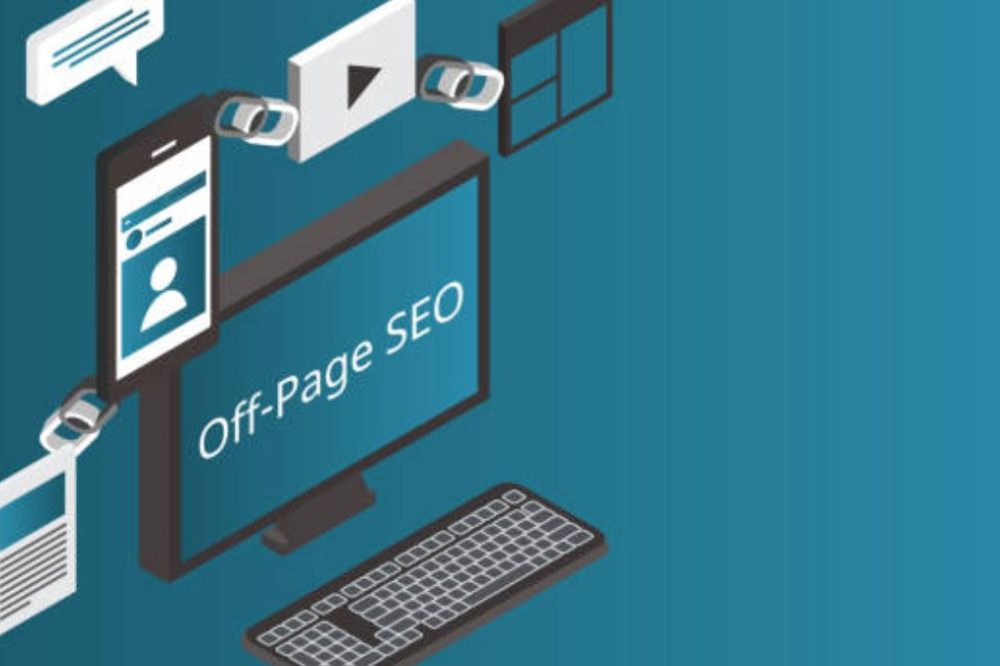
Most off-page SEO explanations limit it to one thing: backlinks. That was never quite right, and in 2026 it’s a very restrictive way to think about it.
Off-page SEO is anything that affects your rankings from outside of your own site – links, certainly, but also brand mentions, digital PR, social amplification and greater reputation Google’s systems are increasingly used to differentiate between true authority and manufactured signals.
That distinction is more important than ever this year specifically because of two converging trends: Google’s spam detection systems have gotten dramatically better at spotting manufactured link signals, and AI Overviews are now pulling from authoritative sources in real time – meaning the same off-page work that builds traditional search authority is simultaneously building your visibility inside AI-generated answers. These are the off page seo methods that really perform in 2026 (outside the usual link building strategy).
Why Off-Page SEO Will Be More Important, Not Less, in 2026
Now, with the deluge of artificial intelligence-generated material on the internet, trust signals are truly crucial, not just a minor ranking factor. Google requires reliable ways to tell real authority from synthetic noise and off-page signals like editorial backlinks, brand mentions, social engagement, digital PR are exactly the kind of external validation that’s a lot tougher to create at scale than on-page content alone. It’s like reputation in the real world. If others in your space are talking about you, referencing your work, and asking you to join them, that’s a believable signal, no matter what your own site says about itself. Google is increasingly judging authority the same way.
1. Digital PR – The best off-page tactic with the highest ROI in 2026
Digital PR has really taken over as the new best practice for link building, and the reasoning is simple: one editorial link from a relevant, trusted publication is worth more than a hundred directory submissions or low-quality guest posts ever will be. Digital PR is about getting media coverage, editorial mentions and journalist citations thru strategic content, data and connection building – not blasting press releases into a void but creating work that reputable news outlets and industry magazines actually want to cover.
How to do it in practice:
- Provide unique research or data for journalists to quote – Surveys, industry benchmarks or trend studies give persistent citation chances that passive blog content never generates
- Build ties with journalists covering your field and get quoted as an expert source in industry coverage
- Build genuinely useful tools or materials that naturally attract backlinks without any outreach efforts at all
- Respond to journalist requests on sites like Connectively (previously HARO) or Qwoted, but with real expertise, not the canned, generic responses you know are being fired off by the thousands.
- Bundle raw data into a separate, citable study – even a simple one-page PDF with original results becomes something journalists and scholars connect to, especially paired with a direct pitch
2. Unlinked Brand Mention Reclamation – The Easy Wins Most Websites Forget About
This is one of the most underutilized methods in off-page SEO and it really is low work for its impact. An unlinked mention occurs when someone discusses your brand, founders or goods in respectable venues (industry blogs, news pieces, forum debates, review sites etc) but doesn’t include a connection to you. Google’s systems can identify and tally up these unlinked brand mentions as indicators of relevance and authority, even if they don’t include a clickable link. But by proactively asking to turn the mention into a real backlink, you gain even more, more direct SEO benefit.
How to locate and recover them:
- Set up brand mention monitoring (minimum Google Alerts, or a dedicated solution for more regular tracking) so you can detect new mentions as they happen
- Politely reach out to site owners who have mentioned your brand but not linked to it, and ask them to add a link – this has a significantly greater success rate than cold outreach, since they’ve already decided you’re worth mentioning
- Prioritize outreach to the most relevant and higher authority sites first, since your outreach time is limited
3. Engagement with communities and forums (Reddit, Quora, LinkedIn)
actual engagement with the right communities (such Reddit threads, Quora answers, LinkedIn conversations in your field) develops actual brand awareness and sometimes even drives direct traffic and mentions – but only if it’s legitimate and not overly promotional. Audiences (and increasingly, Google’s spam detection) can spot coerced, self-serving engagement quite rapidly, and it tends to have the opposite effect rather than helping.
What works:
- Answer questions honestly, without shoehorning in a link or brand mention when it doesn’t suit
- Develop a meaningful presence and reputation among relevant communities over time, as opposed to just popping up to promote something
- Allow company mentions and connections to occur organically from genuinely valuable engagement rather than as the primary purpose of every single post
4. Local Citations & Google My Business Optimization
Local citations are a basic off-page signal for any business with a physical presence or specified service region, yet many organizations overlook them totally, which creates a genuine competitive advantage for those that don’t.
The basics:
- Make sure your NAP (name, address, phone number) is 100% consistent throughout all directories, citations, and profiles – even slight inconsistencies might throw search engines off about your real business info
- Maximize your Google Business Profile with updated hours, categories, photographs and posts
- Pursue citations in appropriate, high-quality local and industry directories rather than mass submitting to low-value directory farms.
- Be proactive on customer reviews. Customer reviews are a trust signal, as well as a source of fresh and valuable information for your organization.
5. Podcast appearances and YouTube content – Authority signals Google now tracks.
Being a guest on podcasts and establishing up a presence on YouTube has become a really recognized off-page authority signal – not merely a brand-awareness play. These appearances often result in backlinks from show notes, brand mentions in descriptions and video content, and direct referral traffic – all of which help develop the kind of real-world credibility and reach that a competitor can’t easily fake.”
How to make it work for SEO, specifically:
- Make sure to put a link back to your site in your podcast show notes and your YouTube video descriptions-not simply a fleeting verbal remark.
- Write or blog the main points from your own site’s appearances. This creates a citable asset, linked to the original appearance.
- Focus on podcasts and channels that are actually related to your area, not just big ones, because relevance is a stronger indicator of authority than reach alone
6. Content Repurposing for Greater Citation Surface Area
If you only publish one blog post or one report and then stop, you are missing out on a lot of actual off-page value. Reusing the same basic information in a variety of formats provides additional opportunities for citations and backlinks, without the need to generate fresh content from scratch:
- Upload a slide presentation version to SlideShare — presentations indexed there can show up in Google Image Search and earn referrals from educators and bloggers who refer to visual references
- Upload a video version of it to YouTube and put a link to the original article in the description
- Package data into a self-contained, citable PDF report – a genuinely link-worthy item in its own right, offered with a digital PR aspect
- Create an embeddable infographic and add the pre-written embed code right below it on your site – publishers who want to share it will take the path of least resistance and that code ensures the credit link goes precisely where you want it
7. Producing Actual Brand Search Volume
Branded search volume, which is the number of people searching specifically for your company or product name, is a positive off-page signal in its own right. That is a real evidence of recognition that Google can see in its own data, irrespective of any particular link or reference. Digital PR, podcast appearances, social amplification, all help create this signal indirectly, by placing your name in front of more people, who then go on to search for you directly.
The Real (Indirect) Role of Social Media in Off-Page SEO
Social media activity doesn’t directly impact rankings in the same way a backlink does, but it plays a meaningful role in off-page SEO in a few key ways: it helps to extend the reach of your content and increases the odds of earning organic backlinks from people who discover it via social first, it drives branded search volume as a positive behavioral signal, and it boosts click-through rates when your brand shows up in results. Even if social media is not a direct ranking criteria, a strong social media presence dominates branded search results pages, meaning that more of the first page is controlled by your own domains when someone searches your brand name directly – truly valuable reputation management.
Off Page SEO Mistakes To Avoid
- Bulk buying links from link farms or PBNs – Google’s systems are catching this pattern more and more fast and the danger of a penalty much outweighs any short-term gain
- Exact match anchor text on most of your backlinks is a blatant and clearly detectable artificial indication
- Ignoring link velocity — hundreds of links in a short amount of time is suspicious, not impressive, regardless of the link quality.
- Not monitoring and disavowing bad backlinks – regular backlink audits uncover problems before they grow
- So much of the off-page value today comes from sources outside traditional link building. The biggest strategic mistake you can make is to obsess over backlinks and ignore brand mentions, digital PR and social amplification.
How to Fairly Measure Off-Page SEO
Rankings are a lagging metric – when they move the real effort of creating authority happened weeks or months ago. Follow the leading signs instead:
- Increase in referring domains (not simply total backlinks, which might be misleading)
- Volume of brand mentions (including unlinked mentions)
- Branded search patterns across the years
- AI citations frequency on ChatGPT, Perplexity and Google AI Overviews tools
How to Decide Where to Start First
- If you have truly original data or study, digital PR will give you the best return of any technique on this list – propose it directly, don’t wait for organic discovery.
- Unlinked mention reclamation is the easiest, least-effort win you can get if your company is being referenced online already – start there before spending on fresh outreach.
- If you’re a local or service-area firm, local citations and Google firm Profile optimization are fundamental, and often overlooked by competitors.
- Appearing as a guest on podcasts and YouTube channels when you have actual expertise to provide builds authority signals competitors can’t easily imitate.
- Wherever you begin, don’t be tempted to take shortcuts by acquiring bulk links – Google’s detection systems have become more and more adept at detecting this very pattern since 2026.
Conclusion:
Off page seo in 2026 is really about building real authority – getting links and mentions from sources who would have cited you without being asked not creating signals that more and more advanced spam detection can find. Now the clear highest ROI technique is Digital PR, it requires real expertise and original research to create the type of editorial links and brand mentions that can’t be purchased or manufactured. Unlinked mention reclamation, community participation, local citations, and podcast or YouTube appearances all add up to a truly comprehensive off-page strategy that goes far beyond the traditional “just create backlinks” playbook.
The sites gaining true authority today are the ones positioned to dominate search results over the next many years especially when AI Overviews reward the exact same signals increasingly – thru credibility, relationships and trust rather than loopholes. Pick one strategy, implement it regularly and then build your off-page efforts quarter by quarter instead than trying to run every trick from day one.
Frequently Asked Questions . FAQ.
1. Difference Between Link Building and Off Page SEO?
One off-page SEO element is link building, and it is focused on acquiring backlinks. Off-page SEO is the more general term that includes brand mentions (linked and unlinked), digital PR, social amplification, local citations and general reputation signals that Google uses to assess authority and trustworthiness beyond links alone.
2. Is digital PR going to be more effective than traditional link building in 2026?
Yes, for most businesses. One editorial link from a relevant, authoritative magazine is usually better than dozens of directory or guest post links of lesser quality. Digital PR earns those stronger links using actually noteworthy content, and not thru outreach and negotiation.
3. Does it still help SEO if a brand is mentioned but not linked?
Yes – Google computers may recognize and treat unlinked brand mentions in trusted situations as signs of relevance and authority, which is sometimes referred to as entity SEO. The value beyond that baseline signal is in converting those mentions into real links by reaching out. Mention reclamation, an easy low effort option we can consider.
4. Does social media activity have a direct impact on search rankings?
Not directly, but it helps a lot indirectly. It increases your content’s reach and the number of organic backlinks you get. It increases the amount of searches for your brand as a good signal. It increases the number of people clicking on your links. A strong social presence also helps dominate branded search engine results pages, which is beneficial for reputation management, although it’s not a direct ranking consideration.
5. What to avoid doing in off-page SEO in 2026?
Common errors include: Building links in bulk by link farms and private blog networks Most of your backlinks have an exact match anchor text links at a non-natural pace Not disavowing and monitoring harmful backlinks Just focusing on backlinks, and ignoring brand mentions, digital PR and social amplification

Enjoyed this article?
If this guide helped you, consider supporting Rough Diary. Your support helps us continue creating practical, informative, and useful AI and technology content.