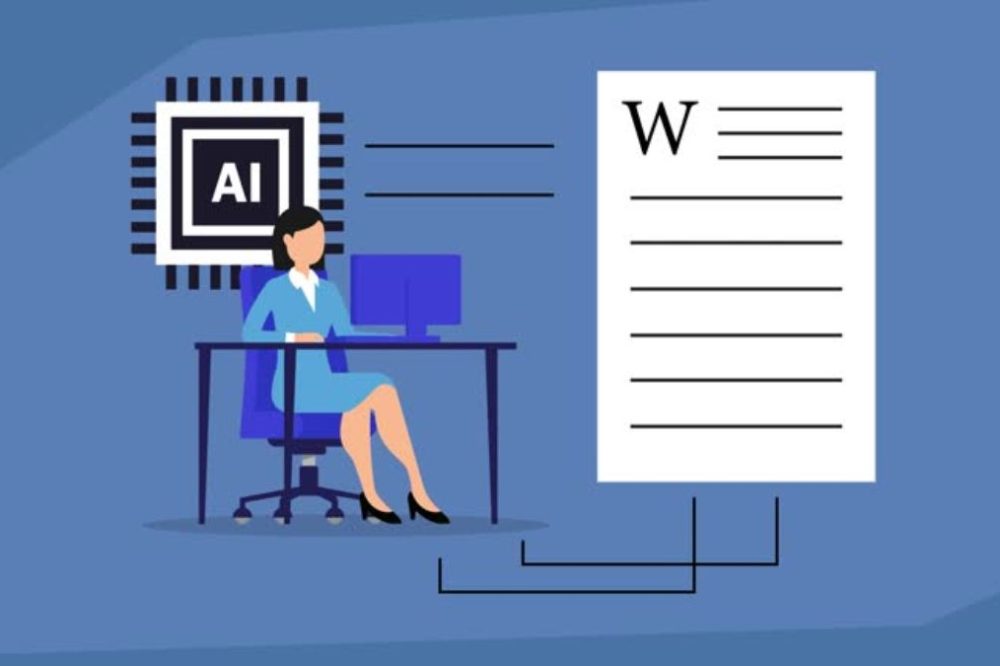
Per Atlassian research, the average professional spends about 31 hours a month in meetings and studies reveal that attendees forget 50% of what was spoken within 24 hours. That combination – a high time commitment and poor recollection of the conclusion – is exactly the problem AI meeting note takers were designed to solve: automatically recording, transcribing, and summarizing discussions so that nothing crucial is lost the moment the call finishes.
The market has matured quickly. The transcription accuracy space is really commoditized now – all the top systems are getting like 90-95%+ accuracy in English. That’s because the real differences between the best 2026 AI tools for meeting notes and transcription aren’t in how accurate the transcription is, but rather what happens after the fact: how well it becomes searchable knowledge, action items that actually get assigned, and updates that land in the tools your team already uses.
Bot vs Botless: The Core Design Decision
Before we go into the tools, it’s worth noting the primary architectural divergence in this category, which impacts privacy and user experience:
- Bot-based technologies (Otter, Fireflies, Fathom, Avoma, Read AI) join your call as a visible participant, recording and transcribing in real-time. They are usually straightforward to set up and work well for regular online meetings scheduled at fixed times, but the bot joining is visible to everyone, which can affect the way people speak in delicate conversations.
- Botless tools (Granola, Jamie) collect system audio locally on your device instead, without a bot showing in the participant list, and without a consent popup interrupting the meeting. In most cases, the accuracy of the transcriptions from the two ways is similar. The key difference is presence – not quality – and for critical client or investor conversations, that distinction can be worth more than a slightly better transcript.
1. Fellow – Best for managing full meeting lifecycle
The difference with Fellow is that it handles the entire meeting lifecycle, not just recording the meeting. Fellow offers structured agendas before the call, accurate transcription and AI notes during the call, and an AI agent (Ask Fellow) that enables users to search thru all past meetings and generate follow-up emails, memos, and CRM updates automatically. It has botless and bot-based recording, business-grade security certifications (SOC 2, GDPR, HIPAA), transcription in 92 languages, and connectors with 50+ corporate apps like as Salesforce, HubSpot, Asana and Jira.
Best for: Teams with a focus on security and regulated sectors seeking a whole meeting workflow solution, not simply a note-taking add-on.
2. Otter.ai – Best For Live Collaborative Note Taking
For teams that want to change notes live and collaboratively during a meeting, instead of just getting a summary after the fact, Otter.ai is still a good option and it boasts good CRM interfaces to drive meeting information into existing sales workflows.
Best for: Teams that want to work together in real-time to update and annotate meeting notes, not just study a summary after the event.
3. Fireflies.ai – Best for Multilingual Teams
Fireflies is a good option for globally spread teams or firms that have regular meetings with non-English speaking clients, because it gives explicit hints on multilingual meeting coverage. The free version lets you transcribe as much as you like but to access the AI summary features you’ll have to upgrade to a paid plan.
Best for: Teams that work in multiple languages and need good transcribing in those languages.
4. Fathom – Top Free Alternative
The best free ai note taker is generally considered to be Fathom. It offers good transcription and summaries for free, which is perfect for individuals and small teams wanting a trial run before committing to a commercial membership. The free individual plan includes unlimited storage and recordings.
Best for: Individuals and small teams looking for solid transcription and summaries without the need for a membership.
5. Granola – Best Botless, Privacy-First Choice
Granola records system audio directly on your Mac without a bot joining the conversation or a consent prompt interrupting the conference, then creates organized notes and action items after the fact. For privacy-aware folks and anyone who deals with important client or investor talks, this “invisible” approach doesn’t change the nature of the conversation the way a visible bot participant can.
Best for: Privacy-minded professionals that want meeting notes without a bot announcing itself on the call.
6. tl;dv – Best Lightweight Video Meeting Capture
tl;dv aims for basic video meeting recording, transcription, and highlight capture, taking a stance as a lighter-weight alternative to more feature-dense meeting intelligence solutions.
Best for: Teams who want reliable meeting recording and transcription without the added weight and complexity of a larger platform.
7. Avoma – Best Sales Conversation Intelligence
Avoma is created for sales teams, adding coaching insights, deal signals and CRM processes on top of basic transcription and summaries, so meeting notes become pipeline intelligence, not a static record.
Ideal for: Sales teams who want meeting notes that can be easily included into coaching and CRM/deal tracking processes.
8. Read.ai – Best for Enterprise Search Across Multiple Platforms
Read AI beats meeting transcripts in favor of unified search across meetings, emails, messages and other connected platforms, trying to solve fragmented institutional knowledge, not only meeting capture. The free plan gives you a few meeting transcripts per month, unlimited cross-platform search from day one.
Best for: Teams that want meeting intelligence tied to email and messaging context, not treated as a siloed data source.
9. Krisp – Best for Noisy Environments
Krisp focuses on noise cancelation and transcription, so it’s the best option for people who often join conversations from noisy places where the audio quality would otherwise reduce the accuracy of the transcription.
Ideal for: Remote employes and frequent travelers who make calls from uncertain or noisy venues.
10. Jamie – Best Botless Choice With a Large Free Tier
Like Granola, Jamie offers a botless workflow with a free tier that gives you 10 meetings per month – a decent quantity to see if a botless method fits your workflow before you pay for a subscription.
Best for: People who wish to sample a privacy-first, botless meeting helper without committing financially right away.
Comparison at a Glance
| Tool Type | Best For |
|---|---|
| Fellow | Complete meeting lifecycle + enterprise security |
| Otter.ai | Note editing with bots in collaboration |
| Fireflies.ai | Multilingual teams |
| Fathom | Best choice free |
| Granola | Privacy-first, no bot in the call |
| tl;dv | Lightweight video meeting capture |
| Avoma | Sales conversation intelligence |
| Read.ai | Cross-platform enterprise search |
| Krisp | Calls noise cancelation |
| Jamie | Botless, free-tier friendly workflow |
Why the Transcript is the True Differentiator What Happens Next
One pattern emerges repeatedly in almost every recent study in this area. Most tools are really good at transcription, but not so many are strong at what follows afterward. Action items are recorded, but they never go anywhere. Summaries live in a single app people don’t return to. There is a record of the meeting, but no follow-up. This gap — not raw transcription accuracy – is the difference between technologies worth paying for and those that churn out a perfectly structured text that no one acts upon.
When considering a tool, consider specifically:
- Where do the notes actually go – does the tool push action items into your task management, CRM or project tool or does everything stay segregated in its own app?
- Cross-meeting search. Can you find out what was agreed regarding a topic three meetings ago, or can you only look in a single transcript at a time?
- Integration depth – does it integrate meaningfully with the tools your team already utilizes on a regular basis or does it just provide you with export options?
Choosing the Right Tool for Your Team
- Decide if presence is important. A bot-based technology works for regular internal team meetings. For sensitive customer, investor or HR conversations, a botless tool like Granola or Jamie doesn’t change the dynamic of the conversation.
- Choose the tools that fit your workflow, not simply your meetings. If your sales force needs a note taker, use Avoma’s CRM and coaching integration rather than a general note taker. If you have compliance needs, focus on Fellow’s security certifications.
- Try out the free version before you sign up. Free plans differ greatly; some give unlimited records, others limit you to a certain number of minutes or meetings per month, so try your actual workflow before you start considering cost.
- Concentrate on integration, not transcript polish. Accuracy is pretty much a commodity across the top tools and the real variations are how well a tool integrates with your calendar, your CRM, and your task management systems.
- Plan language needs in advance. If your team often interacts across languages, restrict your search down to tools like Fireflies or Fellow that particularly call out multilingual accuracy over thinking that all platforms are created equal in this regard.
Final Thoughts
There isn’t a one-size-fits-all optimal AI meeting notes solution for every team – it is contingent upon the sensitivity of your talks, how much you require meeting content tied to other platforms, and if transcription alone is enough or if you need true follow-through automation. Fellow provides the most comprehensive meeting lifecycle for security-conscious teams, Fathom is still the best free alternative for solo users, and if you’re truly concerned about having a bot in your calls, then Granola or Jamie are a good place to start. Whatever you decide, remember that transcribing accuracy isn’t the decisive factor anymore – the tool that will really turn notes into action is the one that will save you real time.
FAQs (Frequently Asked Questions)
1. What is the finest meeting notes and transcribing AI tool?
There’s no one-size-fits-all tool — Fellow is best for the whole meeting lifecycle with enterprise-grade security, Fathom is the best free choice, and Granola is the top choice for privacy-minded customers who prefer a botless experience. The appropriate one for you will depend on the size of your team, your privacy requirements, and how deep you need meeting notes integrated with other technologies like a CRM.
2. What is the difference between bot-based and botless AI note takers for meetings?
Tools like Otter, Fireflies and Fathom are bot-based and they join your call as a visible participant to record and transcribe. Granola and Jamie are botless tools that record the system audio locally and so are not visible in the participant list or generate a consent request. The transcription accuracy between the two has been mostly evened out, thus the primary trade off is whether a visible bot impacts the dynamic of the chat.
3. Are free AI meeting note takers good enough for real use?
Yes in many cases. Fathom has unlimited storage and recordings on its free tier, and Fireflies has unlimited transcription on its free tier, but AI summary features usually are more limited without a premium subscription. Individuals and small teams usually have plenty with the free tiers, while larger businesses will often have to subscribe for a plan to access advanced integrations and cross-meeting search.
4. Why is transcription accuracy not as important when choosing a tool?
Most top tools among the major AI meeting note takers have largely commoditized transcription accuracy and most are around 90-95%+ accuracy in English. In 2026, the real differentiators will be what happens after the transcript is created, how well action items are assigned, how easy is it to search across past meetings, and how well does the tool interact with your CRM or task management system.
5. Is it safe to employ AI meeting note takers for secret or sensitive conversations?
It is contingent upon the instrument, and what you’re worried about. All have access to the bot-based tools, and some say it influences their openness in sensitive interactions. That problem of visibility doesn’t exist with tools like Granola without bots. For sensitive data in regulated sectors, choose products with rigorous security certifications as Fellow with SOC 2, GDPR or HIPAA compliance.

Enjoyed this article?
If this guide helped you, consider supporting Rough Diary. Your support helps us continue creating practical, informative, and useful AI and technology content.