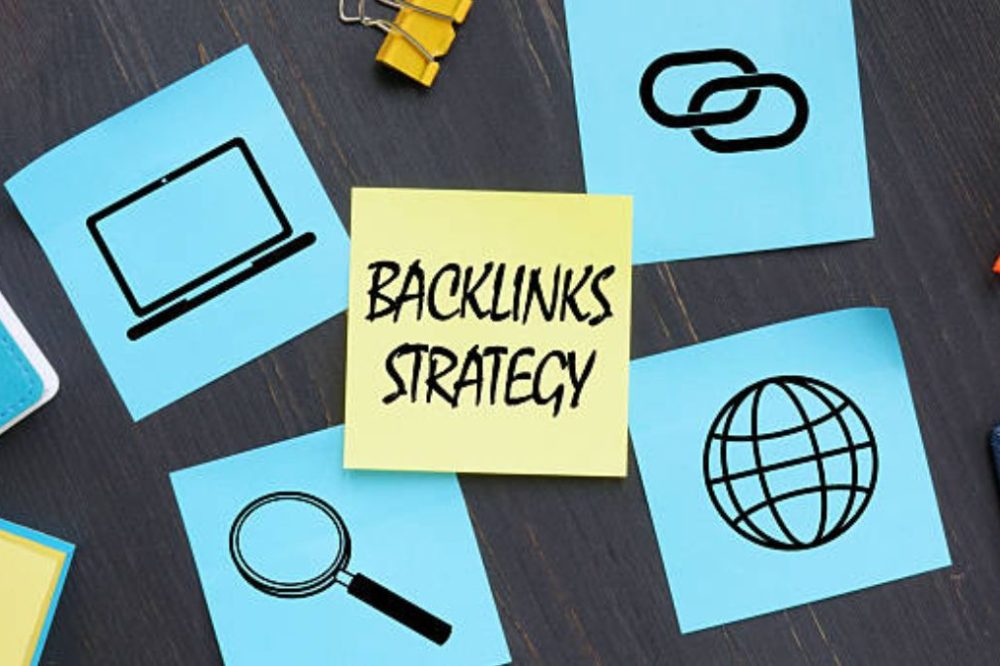
Backlinks are still one of the most cited ranking signals for Google, but their importance has increased, not decreased. AI-driven platforms like ChatGPT, Google AI Overviews, Gemini, and Perplexity now rely on the same authority signals to determine which sources should be cited and appear in search results. But the way link creation actually works has evolved a lot. Search engines have become considerably stronger at detecting low-quality placements, spamming patterns and connections placed solely to influence results. The old plan – directory submissions, secret blog networks, bulk guest articles on unrelated sites – doesn’t only underperform in 2026, it can actually undermine your results.
Here are the backlink building tactics that are genuinely working today: gained by relevancy, trustworthiness and genuine value, not volume or shortcuts.
Why Backlink Quality Will Matter More Than Quantity in 2026
Success today is not about how many backlinks can you get but about getting the proper backlinks from authoritative and relevant sources. Google has been improving its capacity to detect artificial link patterns for 20+ years now. It knows what the normal history of the way backlinks naturally accrue over a period of time versus how they are bought and generated in bulk. A few links from really relevant, reliable sites will do more good than hundreds of low quality directory or PBN connections – and unlike those low quality links, they have basically zero danger of penalty.
Also, keep backlinks in perspective: they are an important ranking factor, but not the only one. Even sites with a modest backlink profile may still create genuine rankings and traffic with solid content and overall SEO basics – link building enhances effective SEO, it doesn’t replace it.
1. Develop Real Linkable Assets
The core of every successful backlink strategy is content that people want to link to. If you have good material, people will link naturally – no outreach required. Formats that are consistently link-worthy include:
- Original research and data: Studies, surveys, proprietary statistics, and other data that other writers can reference as a primary source.
- How-to guides that are thorough and detailed, providing step-by-step instructions to solve a specific problem so you don’t have to. (And other sites will want to link to yours instead of duplicating the work.)
- Case studies with real results – specific outcomes and examples generate the kind of credibility that makes other sites want to link to you.
- Infographics and creative visuals – highly shareable across blogs and social media, often winning referrals from sites that would never accept a guest post pitch.
Before you build ANY of these, see what’s already ranking and getting links in your space and build something more updated, more complete or better designed. This is the core logic behind the long-running “Skyscraper Technique”: find content that’s already earned significant backlinks, then create a legitimately better version and reach out to the sites linking to the original.
2. Broken Link Building
Broken link development is still one of the smartest tactics since it delivers genuine benefit to both parties of the trade. The strategy is to locate broken (dead) links on relevant sites, then contact the site owner, point out that the link is broken and recommend your own relevant content to replace it. You’re helping them address a real problem on their site and they’re giving you a contextually appropriate backlink for your trouble. A rare situation in link building where the pitch isn’t a favor ask but a remedy.
3. Online PR
The reason digital PR is one of the most effective link-earning techniques in 2026 is because it gets you the kind of high-authority, editorially earned links that algorithms now value over your average guest post. That sometimes means proposing original reporting, data-driven articles or expert comments to journalists and publishers, getting coverage – and a link – on sites with true editorial standards and audience trust. These links are more difficult to get than your standard guest post and so carry more weight.
4. HARO & Journalist Outreach
Journalist-request platforms match reporters looking for expert sources with persons who can speak credibly to their story. When you provide a relevant quote in response to a journalist’s request, you often receive a high-quality editorial backlink from a trusted news or industry site – a link that can’t be replicated by any paid or automated method, as they’re given at the editorial discretion of a journalist.
5. Competitor Backlink Research
Other people are guessing where to chase links. How about reverse engineering where your competitors are obtaining theirs? You will be able to, with a backlink analysis tool:
- Find the exact websites that link to your top competitors.
- Share your relevant content with those similar sources, preferably stronger content.
Cold-pitching venues at random is not the way to go. Build a prioritized, evidence-based plan.
This method often works better than cold outreach because you already know the site is willing to connect to content in your niche.
6. Brand Mentions Not Linked
Your brand or content is frequently cited online without a link back to your site – a review, a citation, a casual mention in an article. One of the lowest-effort, highest-conversion techniques is to send a fast, courteous outreach email requesting the site to turn that mention into a real link, because they’ve already shown a willingness to reference you, you’re just asking them to finish the citation.
7. Guest Posting – Done Selectively, Not At Scale
Guest blogging still works, but the kind of guest posting that succeeded in 2018 – mass pitching low quality guest pieces to any site that will accept them – doesn’t. Search engines simply dismiss conventional, isolated guest posts put up purely for a link. What still pushes the needle is delivering genuinely useful, well-researched pieces to a few relevant, respectable magazines in your niche where the link is a natural by-product of true editorial value instead than the sole objective of the placement.
8. Creating “Buzz” with Social Proof and Community Engagement
Search engines are now starting to look at user signals and social evidence as well as direct back links. If folks are talking about your stuff on Reddit or sharing your work on LinkedIn or quoting your research in their professional circles, such exposure typically results in organic backlinks as additional people independently discover and cite your work. This is not a direct ranking factor in the traditional sense, but the subsequent citations and links definitely are.
9. “Best Of” and Resource Roundup Page Feature
Search for your main keywords with phrases like “best of” or “top blogs” (e.g., “best project management blogs 2026”). These roundup articles are already ranking well and actively looking for additions. When you contact the author, be sure you are sending a targeted, tailored pitch. Don’t ask to be added to a list, tell them specifically what your material contributes that isn’t already covered in their existing list.
Bad Backlink Strategies to Avoid in 2026
- Private Blog Networks (PBNs) – this is still one of the most risky strategies; Google has particularly targeted this pattern since its 2003 Florida Update and it has only become better at spotting it since.
- Purchased bulk links or link farms – inexpensive, big volume link packages are easily identified by modern algorithms, and are generally discounted or ignored altogether, wasting budget without altering rankings.
- Artificial connection patterns that have been orchestrated, engagement pods or reciprocal link schemes are a red flag that search engines are specifically geared to catch.
- Link building before you have something worth linking to – Chasing backlinks at the very beginning of a new site, before you have genuine, valuable content, rarely works and can look artificial given how soon it emerges relative to the age of the site.
How to Monitor and Maintain Your Backlink Profile
Link building is only half the task – monitoring the links is equally important. Backlink tracking tools allow you to identify and recoup lost links (sites that delete a link over time), identify harmful or spammy connections to your site that you may need to disavow, and compare your backlink profile to competitors over time. Think of link building as a process, not a campaign. Patterns that develop gradually and naturally over time are just the kind of pattern search engines are built to trust.
Summary
All the top backlink building techniques for 2026 have one thing in common: they work on the premise of earning links by being actually beneficial, rather than gaming a system designed particularly to identify gaming. Digital PR, broken link construction, original research, and journalist outreach all generate the kind of high-authority, editorially-earned links that traditional search engines and AI-powered platforms increasingly rely on for trust. Forget the shortcuts; in the long run they cost more than the time it takes to gain links the right way.
Frequently Asked Questions (FAQs)
1. What are the best backlink building strategies for SEO in 2026?
Top tactics in 2026 are digital PR, broken link building, original research and data, HARO/journalist outreach, competitor backlink analysis, and reclaiming unlinked brand mentions. These techniques earn links because they are relevant and offer real value, which is precisely what the new search algorithms are designed to reward.
2. Are backlinks vital for SEO in 2026?
Yup. Backlinks remain one of the most frequently cited ranking signals in Google’s algorithm and have grown even more critical for exposure via AI search tools such as ChatGPT and Google AI Overviews which utilize authority signals such as backlinks to determine which sources to quote. That said, backlinks are important, but they operate in conjunction with excellent content and technical SEO, not in lieu of it.
3. Is buying backlinks a wise approach in 2026?
No. Search engines are getting better at detecting purchased bulk connections, link farms and private blog networks which are then discounted or ignored, spending budget without any benefit to rankings. Sometimes irregular purchased link patterns can trigger penalties rather than help.
4. How long does it take to get results from backlink building?
Building backlinks takes time and search engines are particularly wary of backlink profiles that are increased at an unnatural pace. Most durable campaigns see large ranking increase over months, not weeks, as links grow up steadily and search engines build confidence in the pattern.
5. What is the difference between guest posting and digital PR for link building?
Guest posting is often writing an article for another website in exchange for a link. Guest posting is most effective today if you are willing to write on relevant, well-respected publications. Digital PR is pitching original research or newsworthy stories to journalists, and getting coverage on high-authority news or industry sites – often tougher to get, but with substantially more ranking weight.

Enjoyed this article?
If this guide helped you, consider supporting Rough Diary. Your support helps us continue creating practical, informative, and useful AI and technology content.