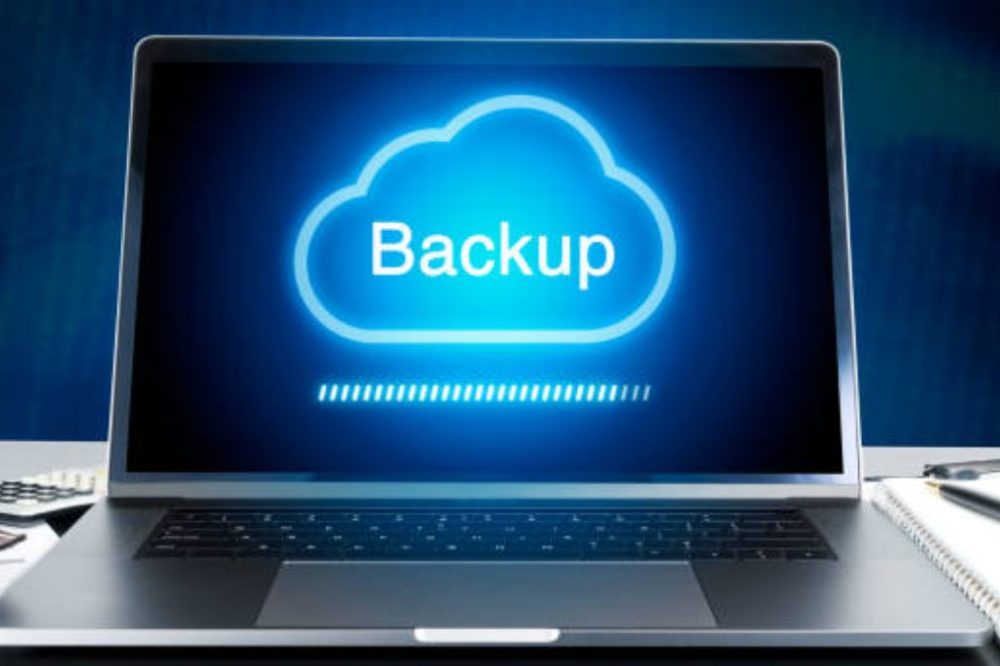
Data loss does not come with a warning. Maybe it’s a coffee spill on a laptop, a hard drive failure, a ransomware attack, or a cloud misconfiguration that wipes out a production environment at 2 a.m. And usually the difference between a bad day and a real disaster is whether you had a reliable backup and a tried and true way to go back from it.
There’s no one size fits all in terms of choosing the best online backup. Say, for example, a freelance photographer wants to protect a laptop full of client photos. That’s an entirely different set of requirements than an IT team recovering an entire cloud system after an outage. This study covers both ends of the spectrum: the top consumer and small-business backup services, and the enterprise-grade disaster recovery technologies designed for organizations whose downtime equates to real money losses.
Online Backup vs. Disaster Recovery: What’s the Difference?
These are interchangeable terms but they solve different problems:
- Online backup services can copy your files, folders or whole system images to secure remote servers. You can recover lost, corrupted or deleted data. This is the category for protecting PCs, phones and external hard drives for consumers, families and small businesses.
- Disaster recovery (DR) solutions go one step further, designed to bring entire systems, applications or infrastructure environments back to a working state after a major incident, with defined goals around how much data you can afford to lose (Recovery Point Objective) and how quickly you need to be back online (Recovery Time Objective). This is the ideal category for firms running servers, cloud infrastructure or mission-critical software.
Many vendors fall in the middle of the spectrum, but knowing what problem you’re truly trying to solve will stop you from overspending on corporate DR features you don’t need, or under-protecting a company that really needs fast, organized recovery.
Best Online Backup Services for Small Business and Personal Use
1. IDrive – The Best of the Best
IDrive is a perennial winner for the best all-around online backup service because of its incredibly broad device coverage – you can backup computers, phones, external drives, and NAS devices all under one account. Disaster recovery using snapshots restores the whole system to a given point in time rather than just individual files. It offers a genuine hybrid solution, merging cloud backup with local backup to an external device.
Best for: Individuals and small enterprises seeking decent multi-device protection and full system snapshots at a reasonable price.
2. Backblaze – Best Unlimited Storage
Backblaze built its name on the promise of real unlimited storage for a single machine for a single fixed fee, without the capacity limitations that many competitors place on their services. It’s a plain-vanilla choice if you just don’t want to have to worry about storage restrictions.
Best for: Those who consume a lot of data on one device and prefer simple unlimited flat-rate pricing.
3. Acronis True Image (Acronis Cyber Protect) – Best for Security-Aware Users
Acronis offers full data backup options, including cloud storage and disaster recovery, as well as built-in security against viruses, malware and ransomware. Acronis even blends backup and security, rather than treating them as distinct subjects. If you’re searching for a backup solution that will fight the good fight, this is a solid pick.
Best for: Users and small organizations looking for one solution that provides both backup and cybersecurity protection.
4. Dropbox Backup – Most User-Friendly
If you are currently working in the Dropbox environment, Dropbox Backup is an easy way to safeguard the contents on a single machine without having to learn a new interface.
Best for: Individual users that want the simplest setup possible, and already use Dropbox for file storage.
5. EaseUS ToDo Backup – Best Free Option
Along with its fully featured premium levels, EaseUS has a very robust free version, making it one of the more accessible entry points for anyone who wants substantial backup capabilities but doesn’t want to commit to a subscription right away.
Ideal for: Those on a budget who want a capable backup tool without paying up front.
Top Business Disaster Recovery Solutions
6. Nakivo – Best for VMware and Hyper-V Environments
Nakivo Site Recovery provides DR orchestration for virtual, cloud and SaaS environments with single-click failover and automated workflow sequencing. Built for organizations that want fast, dependable catastrophe recovery, without a lot of operational complexity. Testing can be scheduled or on demand, so recovery plans are tested before they’re ever needed, an important feature as most organizations’ DR policies fail not on paper but in real life. Non-disruptive testing
Best for: SMBs and companies with VMware or Hyper-V environments that need reliable, simple DR orchestration.
7. ControlMonkey – Best for Cloud Infrastructure Restoration
ControlMonkey automates daily infrastructure snapshots, DR readiness checks and one-click rollback for cloud environments, allowing a full cloud environment to be rolled back to a known good state rather than having to rebuild manually.
Best for: Fast, automated rollbacks of cloud environment setup for DevOps and cloud infrastructure teams.
8. Datto – Best for Managed Service Providers
Datto Endpoint Backup is a major cloud-native endpoint recovery solution used by managed service providers (MSPs) and is a go-to solution for IT service businesses wishing to manage backup across several client enterprises.
Best for: IT service providers and MSPs doing backup and recovery for lots of client enterprises.
9. Arcserve UDP – Best Storage Efficiency Solution for Mid-Market
Arcserve UDP is targeting the mid-market DR space but with a focus on storage efficiency. This helps firms to lower the expense of storing large amounts of backup data for the long term, while yet allowing fast recovery.
Best for: Mid-sized companies that need low-cost, effective storage and have existing DR capabilities.
10. Cove Data Protection & Druva – Best for Microsoft 365 Backup
As more business-critical data is kept in Microsoft 365 than on local servers, purpose-built cloud-to-cloud backup technologies like Druva Microsoft 365 Backup Express and Cove Data Protection have become crucial. They immediately back up mailbox, file and Teams data from the cloud, protecting against accidental deletion, insider attacks and ransomware in ways that Microsoft’s built-in retention features can’t always address.
Ideal for: Organizations that need dedicated backup and recovery of Microsoft 365 data.
Features to Look for in Any Backup/DR Solution
- Encryption standards – stored data with AES-256; in transit with TLS 1.3; the best services offer zero-knowledge encryption, where only you have the key to decode
- File-level vs image-level backup – file-level backup protects specific files and folders you choose, while image-level backup creates a full snapshot of your system so you can recover completely in case of a disaster; the best services offer both
- RPO and RTO – for mission-critical systems, these dictate how much data you can afford to lose and how quickly you need to be up and running again after an incident
- Ransomware protection – the finest products include active detection, making the offering a complete data protection system, rather than simply a passive archive
- Coverage across several devices or environments – verify whether the pricing is per device, per environment or a fixed rate
- Testing capabilities – non-disruptive planned recovery testing distinguishes a plan that works on paper from one that works in practice, notably for business DR
Comparison at a Glance
| Solution | Best For | Standout Feature |
|---|---|---|
| IDrive | Best consumer backup general | Snapshot recovery + more devices |
| Backblaze | package with unlimited storage | Unlimited Capacity, Flat Pricing |
| Acronis | Security-conscious users | Backup + malware/ransomware protection |
| Dropbox Backup | User friendly | Basic setup is familiar |
| EaseUS ToDo Backup | Free Version | Full free version |
| Nakivo | VMware/Hyper-V DR | Control Orchestration of failover with one click |
| ControlMonkey | Cloud infrastructure restoration | Automated daily snapshots restore |
| Datto | MSPs | Multi-endpoint client recovery |
| Arcserve UDP | Midmarket Performance | DR space-efficient |
| Druva / Cove | Microsoft 365 Backup | Cloud to Cloud Backup |
Selecting the appropriate backup or DR solution
- Start first with what you are actually defending. A aircraft is another solution than a single laptop, or a fleet of servers, or a cloud infrastructure.
- Select the option that best fits your recovery goals. If minutes of downtime would be an issue, look for a solution centered around specific RPO/RTO targets, not just basic file backup.
- Pack where you can Acronis and the like add security to backup, so you don’t need to manage more apps.
- “Don’t just look at the subscription fee, look at the overall cost. The cost of downtime and manual recovery effort is usually far higher for enterprises than the membership fee itself.
- Test your recovery plan before you need it. If you never restored a backup, you really can’t trust that backup.
Closing Thoughts
There isn’t one single “best online backup service” – the right choice depends largely on what you’re backing up and how soon you need to recover. IDrive has the greatest overall blend of coverage and price for individuals and small enterprises, Backblaze is best for unlimited storage, and Acronis is best if you want protection included with it. Businesses with critical infrastructure should consider specialist disaster recovery technologies like Nakivo, ControlMonkey or Arcserve UDP a desirable investment, as the true cost of data loss will almost always be greater than the cost of preventing it.
Frequently asked questions FAQs
1. What Is The Best Online Backup Service?
Often ranked as the best all-round online backup service, it offers full multi-device compatibility, snapshot-based restore and cheap pricing. Backblaze is the best bet if unlimited storage is your number one priority. For integrated ransomware and virus protection backup, Acronis is the best.
2. Cloud Backup Versus Disaster Recovery – What’s the Difference?
Cloud backup means pushing your files or systems to remote servers so you can retrieve them if they’re lost or corrupted. Disaster recovery is far broader. It is about quickly bringing back full systems, applications or infrastructure settings after a severe disaster, generally with predetermined recovery time and recovery point objectives.
3. How much does online backup or disaster recovery software cost?
Consumer internet backup services go from free to roughly $60-$100 a year for a single device, and more for multiple devices. Business disaster recovery platforms are often priced by the protected environment, servers or data, so you’ll need to receive a customized quote for larger deployments.
4. How resistant is cloud backup against ransomware?
Good backup services offer strong encryption and often also have versioned backups so you may restore files from before a ransomware assault takes place. But some providers, such as Acronis, go beyond backup to provide active ransomware detection, adding another layer of protection, rather than depending on backup alone.
5. How frequently should firms test their disaster recovery plans?
Most disaster recovery experts advise you should examine recovery plans often, not just after they are deployed. These kind of solutions provide non-disruptive testing capabilities allowing you to run recovery drills on a schedule without harming your production systems. This is important since DR plans sometimes only reveal flaws when put to the test in real situations.

Enjoyed this article?
If this guide helped you, consider supporting Rough Diary. Your support helps us continue creating practical, informative, and useful AI and technology content.