Freelancing means wearing all the hats at once – marketer, accountant, project manager, and the person doing the actual billable labor. The right AI tools for freelancers are less about luxury and more about survival-there’s no team to pass the dull bits to. The freelancers that will thrive in 2026 will not be the ones putting in larger hours. Instead, they will be using A.I. to reduce the administrative labor that used to eat up their evenings.
This article compiles the top AI tools that freelancers are utilizing to save time in 2026 categorized by the areas of freelance living that suck up the most hours: writing and content, project management, invoicing, scheduling, and design. We’ll also talk about where these AI capabilities fit in broader categories like project management software, invoicing software, and time tracking software, as many of today’s best solutions aren’t standalone AI apps – they’re AI features baked within tools you might already be using.
Why AI Tools Matter Especially For Freelancers
At a firm, scheduling, invoicing, contracts, basic admin is usually done by somebody else. Freelancers do not. Every hour that a freelancer spends chasing an unpaid invoice or reformatting a proposal is an hour not spent on billable work – and unlike an employee, that time is pretty much coming out of a freelancer’s own pocket.
AI solutions address this gap in two ways: they automate the monotonous admin duties freelances loathe, and they act as a force multiplier on core work like writing, research, and design – enabling a solitary freelancer to create output that used to need a small team.
AI Writing and Content Tools
1. Claude / ChatGPT Assistant
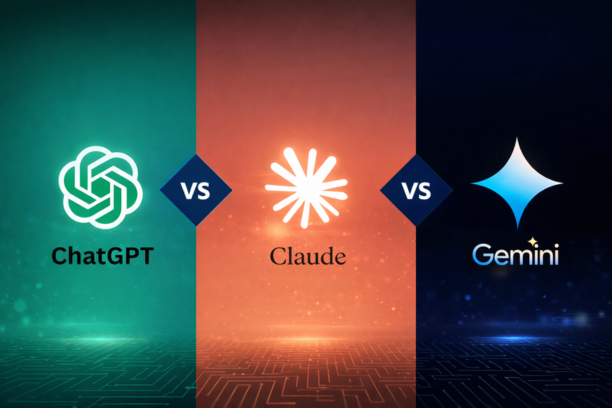
The most versatile tool in a freelancer’s toolkit is the general-purpose AI assistant – used to make proposals, write client emails, debate project ideas, summarize large papers and even generate first-draft code or copy. One of these is used day in day out by freelancers in virtually every field and is often the first stage before moving on to more specialized tools.
Best for: Any freelancer who needs a flexible assistant to help with writing, research and quick problem-solving on a variety of jobs.
2. Grammarly
What started off as a simple grammar checker has morphed into a full-fledged AI writing assistant that can modify tone, suggest ways to improve clarity and offer rewrite options within email, Google Docs and most browsers. It ponders the little things that can hurt a freelancer’s professional image when dealing with clients on a regular basis.
Best for: Freelancers that communicate a lot with clients and want high-quality, error-free writing without spending extra time editing.
3. Jasper / Copy AI
If you are a freelance writer, marketer or social media manager you can also use dedicated AI copywriting tools such as Jasper or content.AI to speed up the creation of first drafts for blog posts, ad content and social media captions. They are more targeted than a general assistant and often include brand voice settings and article templates intended for marketing output.
Best for: Freelance copywriters and marketers that produce tons of on-brand content for multiple clients.
AI Project and Task Management Software
4. ClickUp
Project management software ClickUp has integrated AI features directly into its platform, allowing freelancers to automatically produce work lists based on a project brief, summarize lengthy comment threads, and receive AI-generated status reports for clients. This makes it easier for freelancers who work on many client projects at a time to set up projects manually.
Best for: Freelancers juggling a ton of client tasks simultaneously who need a central location to track their work, with AI shortcuts built in.
5. Notion AI
Notion AI makes this popular workspace tool even better, helping you summarize notes, write project documentation, and create meeting summaries, all inside the same location you already use for your client wikis, proposals, and personal organization as a freelancer. Because of its adaptability it is a powerful all-in-one hub rather than a single purpose tool.
Best for: Freelancers that need one flexible area to save notes, project documents, manage small tasks and get built-in AI support.
AI Billing & Financial Tools
6. FreshBooks
FreshBooks remains one of the most freelancer-friendly options in invoicing software, and its AI features now include automated expenditure categorization and smart payment reminders that vary in tone and timing based on client payment history. This removes an entire category of uncomfortable admin for freelancers who dislike chasing late payments.
Ideal for: Freelancers who require solid invoicing and expense tracking, but not a full accounting suite.
7. QuickBooks Self Employed
QuickBooks Self-Employed uses AI to automatically categorize transactions, estimate quarterly tax payments, and separate business and personal costs – a common pain point for new freelancers. It hooks up directly to bank accounts, removing nearly all the tiresome data entering from the process.
Best for: Freelancers who want their tax estimations and spending tracking done automatically, year-round, instead of crammed in at tax time.
AI Scheduling and Time Management Tools
8. Reclaim . ai
Reclaim.ai uses AI to populate a freelancer’s calendar with time for deep work, task deadlines and habits, automatically updating the plan as new meetings or priorities are added. It’s especially helpful if you’re a freelancer who finds it hard to shield focused work time from a constant assault of customer calls.
Best for: Freelancers that are losing their focus time to back-to-back client appointments and need AI to fight for their calendar.
9. Toggl Track.
Toggl is still one of the most popular time-tracking tools on the market, and its new AI features can automatically classify the time you log into certain projects and clients, and find patterns like if projects are consistently going over budget. This gives freelancers some real numbers to deal with in the event of renegotiating a rate.
Best for: Hourly rate freelancers that want simple, accurate time tracking and a feel for project profitability.
AI Tools for Design and Creativity
10. Canva’s Magic Studio
Canva’s AI package, Magic Studio, enables freelancers make design drafts, auto-resize text across formats and erase picture backgrounds in seconds – things that used to need real design skill, or graphic design apps like Photoshop. This greatly lowers the barrier of entry for non-designers who need to produce graphic material from time to time.
Best for: Freelancers who aren’t in design (writers, consultants, marketers) who need to make rapid, professional-looking images without hiring a designer.
11. Adobe’s Firefly AI
For freelancers who handle design or content creation for a living, Adobe Firefly brings generative AI directly into Photoshop and Illustrator – generating image variations, enlarging backgrounds and removing things with a level of flexibility that general-purpose AI image tools lack. It’s commercial and that is vital for freelancers worrying about licensing.
Best for: Professional freelance designers who want generative AI integrated into their current Adobe workflows and need commercially safe license.
How Much Should Freelancers Spend on AI?
Most freelancers don’t require all of these things. The idea is to pick 2 or 3 that will help you with your biggest time-wasters. Normal costs are:
- Free tiers: Plenty of products (Notion AI, Canva, Toggl, free tier of ChatGPT) have enough capability to use lightly as a freelancer for free.
- Paid plans for individual tools: $10-30/month for full AI features — a good total budget for 2-3 core tools is usually $30-80/month.
- Bundled suites: Some freelancers save money by choosing a more broad platform (like ClickUp or Notion) that has AI functions for project management, documents, and light CRM in one subscription, instead than subscribing to several single-purpose packages.
Because freelance income varies from month to month, it’s better to think of this as a percentage of revenue rather than a fixed line item-many freelancers keep software costs around 3-5% of their monthly income until they have a steady client base.
Selecting the Best AI Tools for Your Freelance Business
The right combination depends on where your time is really going:
- If admin work is your biggest drain, try invoicing solutions like FreshBooks and a scheduling tool like Reclaim.ai.
- If you’re juggling many client projects, focus on AI features in project management tools like ClickUp or Notion.
- If your main work is writing or content – count on AI writing tools like Grammarly, Jasper or Claude to speed up drafting and editing.
- If you need visuals every now and then, but you are not a designer, Canva Magic Studio does most of the work for you without design skills or expensive graphic design software.
Final Reflections
The best AI tools for freelancers aren’t about replacing your actual craft, they’re about getting back the hours you spend on billing, scheduling and admin busywork, so that more of your time is spent doing billable, client-facing work. Start with the category that takes you the most time currently. Try one tool for a month before building your stack as each tool proves it’s actually saving you hours and not simply a subscription to maintain.
FAQ
1. What are the best AI tools for beginning freelancers?
For general writing and research, ChatGPT or Claude will give good AI coverage for most new freelancers. For organizing, a free-tier tool, such as Notion AI, is a solid choice. No down payment.
2. Do AI techniques eliminate the need for a virtual assistant?
Artificial intelligence can absorb a big part of what a virtual assistant would normally perform for many repetitive duties such as invoicing reminders, scheduling, first-draft writing. Complicated judgment calls and customer relationship management still benefit from a human touch.
3. How much do freelancers spend on AI tools each month?
Most freelancers are paying $30 to $80 a month for two or three basic AI tools, but many essential capabilities are available on free tiers for those just starting out. A good rule of thumb is to spend 3-5% of your monthly freelance income on software.
4. What AI tool saves freelancers the most time on invoicing?
FreshBooks vs. QuickBooks Self-Employed use AI to automate expenditure classification and reminders about forthcoming payments, freeing up freelancers’ time from chasing down late payments or getting ready for tax season.
5. Do freelancers need different AI tools for different activities or is one platform better?
At the end of the day, it’s a question of how complex your workflow is. If you have simple needs, you’ll often do fine with one flexible platform like Notion AI, but if you’re juggling multiple clients and types of projects, you might get more value from mixing and matching a few specialized tools for writing, billing, and scheduling on your own.

Enjoyed this article?
If this guide helped you, consider supporting Rough Diary. Your support helps us continue creating practical, informative, and useful AI and technology content.