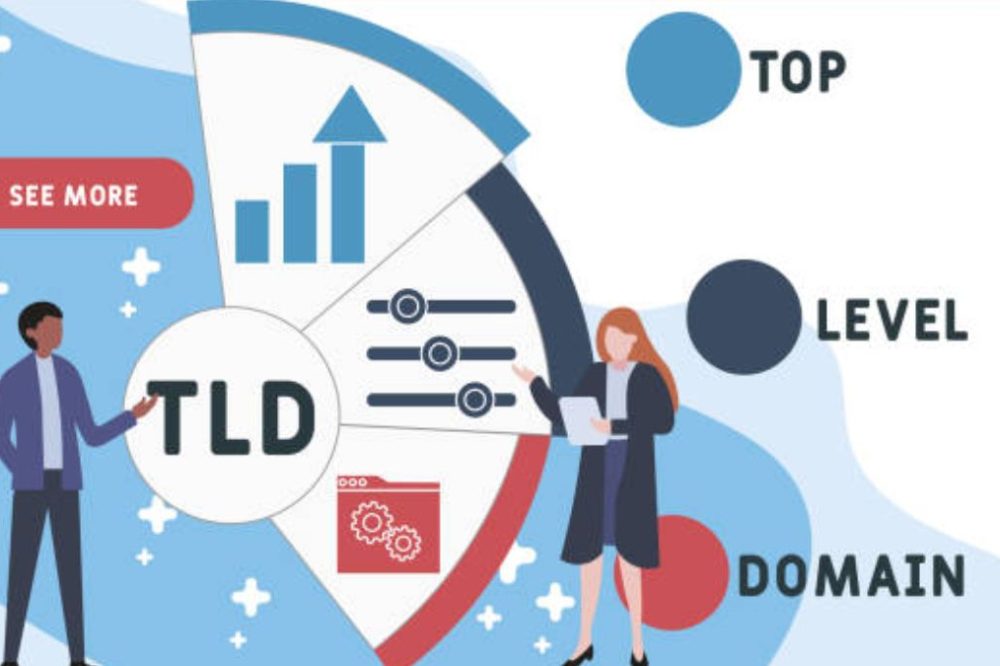
When you establish a startup or a new website, your domain name is the first significant decision you make – and it’s also one of the easiest to overpay for or get tied into a bad bargain on. There are lots of registrars vying for your business, often throwing in flashy extras to distract you from their renewal pricing, so picking the best domain registrar means going past the homepage bargain and into the fine print.
This guide examines the best domain registrars for startups and new websites in 2026 including Hostinger, a growing choice among founders who want their domain and hosting on the same bill. We analyse pricing, privacy, renewal rates and who each option is best suited for.
What to Look for in a Domain Registrar
All registrars will sell you a name and let you handle basic DNS settings, but the aspects that really impact your startup’s budget and workflow are:
- 1) First-year price vs. renewal price: Many registrars will offer low prices for the first year for popular TLD’s like as .com, but then charge two to three times that price at renewal.
- WHOIS privacy protection – is domain privacy (hiding your personal contact details from public records) free or extra as an add-on
- Bundle your domain and hosting together – you’ll have the ability to manage your domain and hosting on one platform and one bill, which makes setting up DNS much easier
- Transfer policy – how easy and cheap it is to transfer your domain to another registrar later in case you change your mind
- Security features – Free SSL, DNSSEC and 2-factor authentication support
- Support quality – vital especially for non-technical founders putting up DNS records for the first time
1. Hostinger – Best for Domain and Hosting Bundles
Hostinger is a really good domain registrar alternative for startups, especially given it’s ICANN approved and you can register your domain and hosting under one account and one bill – a great timesaver for an entrepreneur building their first website with no technical team. Its domain search has AI-powered suggestions that offer brandable name options from a few keywords, which is helpful when your first choice is already taken.
WHAT’S INCLUDED
- WHOIS privacy free for the life of your domain
- DNSSEC enabled by default (no manual setup required)
- Free email and URL forwarding (up to 100 redirects per domain)
Hostinger also supports many different TLDs, and coupling your name with one of Hostinger’s hosting plans-which commonly provide a free domain for the first year-can make DNS maintenance a lot easier.
- Best for: Startups who want to handle their name and hosting in one place with strong default privacy and security built-in
- Watch out for: Like most registrars, renewal prices are higher than the first year discount price – verify the renewal price for your TLD before signing up!
2. Namecheap – Best for Budget Beginners
Namecheap has cultivated a loyal fanbase with its reasonable pricing and an actual customer-friendly approach to privacy, including free WHOIS domain privacy on registered domains as standard, not a costly add-on. Its interface is simple and easy to navigate for first-time domain buyers.
- Best for: First-time buyers wanting inexpensive first year pricing and free privacy protection without having to look for a discount code
- Watch out for: Domain transfer fees for incoming transfers can range from around $11 to $34 depending on the TLD, and extra services beyond domains are more limited than full-service competitors
3. GoDaddy – Best All-in-One Business Tools
GoDaddy remains the world’s largest domain registrar by volume, and the reason it’s so popular with startups is not just because of the domain – it comes with a free site builder, free domain privacy, a logo maker and payment link tools, and an AI setup assistant (GoDaddy Airo) that can suggest a business name, logo and starter website all together. It’s a genuine one-stop shop for an entrepreneur who needs domain, hosting, email and basic marketing tools in one account.
- Best for: Startups who desire a combined ecosystem of business tools, with domain and value 24/7 phone and live chat support
- Watch out for: GoDaddy can be more expensive than budget competitors, especially at renewal, and the checkout flow is infamous for upselling additional add-ons
4. Dynadot – Best for Technical Founders & Domain Investors
Dynadot has earned a solid reputation with technically minded consumers and domain investors due to its clean interface and cheap price across a wide range of TLDs. All Dynadot domains come with free domain privacy and outgoing transfers are available to the consumer from their account at no cost.
- Best for: Founders comfortable handling their own DNS and technical settings and want great pricing without the bundled extras
- Be aware of: Less bundled business tools than GoDaddy or Hostinger; suitable for people who don’t need to be spoon-fed
5. Cloudflare Registrar – Best for Developers & API Access
Cloudflare sells domains at wholesale cost with no markup, making it one of the most transparent pricing schemes out there, and its API is a real, well-documented product instead of an afterthought. It’s a great choice for developer founders who wish to control domains programmatically or plug DNS administration directly into their infrastructure.
- Best for: Developer-focused firms that seek programmatic domain management and wholesale pricing
- Caution: Cloudflare Registrar requires you to already be a Cloudflare subscriber, and its feature set is purposely bare-bones versus full-service registrars
6. Porkbun – Best for Startups Handling Multiple Domains
Porkbun has built a solid reputation for transparency pricing, including the ICANN charge in its advertised price rather than tacking it on at checkout, and for a very simple bulk search and management experience for startups that register several domain variations early.
- Best for: Startups wanting to purchase several domain variations (various TLDs, popular misspellings) in one go
- Watch out for: Smaller company with less robust support infrastructure than GoDaddy or Namecheap
Registrar Pricing Comparison for Domains at A Glance
| Registrar | Free WHOIS Privacy | Domain + Hosting Bundle | Best For |
|---|---|---|---|
| Hostinger | Yes, lifetime | Yes | All-in-one domain + hosting |
| Namecheap | Yes | Limited | Beginners on a budget |
| GoDaddy | Yes | Yes | Business tools included |
| Dynadot | Yes | No | Technical founders |
| Cloudflare | Yes | No | Developers, wholesale prices |
| Porkbun | Yes | No | Multi-domain management |
Should You Have Your Domain and Hosting With the Same Provider?
For many companies and new sites, combining your domain and hosting under one provider, like Hostinger, makes setup super easy. Get automatic DNS records with no manual setup, support tickets go to one team who can see your whole account, and many hosts throw in a free first-year domain with a qualified hosting package so you save money out of pocket.
The price here is flexibility: If you ever decide to change hosting providers, having your domain registered elsewhere (also termed keeping your domain and hosting separate) can make that transfer easier, since your domain’s DNS settings are not bound to the host you’re leaving. However, for most early-stage firms, the simplicity of bundling is worth this consideration – if you change your demands you can simply transfer your domain to a standalone registrar later.
Selecting the Right Domain Registrar for Your Startup
- If simplicity is your primary concern, opt for a name that comes with your hosting provider; Hostinger is a good option here, especially if you’re currently using them for hosting.
- If budget is your primary concern, compare Namecheap vs Hostinger’s first-year promotions, but do check out both providers’ renewal costs for your individual TLD before making a choice.
- For an all-in-one business toolkit, GoDaddy bundles a site builder, logo creator and payment tools that can save you setup time, but at a somewhat higher long-term price.
- If you are technical or want to manage domains programmatically, Dynadot or Cloudflare Registrar provide cleaner, more developer friendly solutions.
- If you’re registering many domain variations simultaneously, Porkbun’s bulk tools and straightforward all-in pricing make comparison-shopping easier.
Conclusion
There is no single optimal domain registrar for all start-ups. The right pick depends on whether you prioritise ease of use, pricing, bundled business tools or technical control. For most new founders launching a first website, Hostinger is a particularly strong all-in-one option. It bundles competitive domain pricing, free lifetime WHOIS privacy, default DNSSEC protection, and the convenience of managing your domain and hosting under one account – eliminating one of the more confusing technical steps in launching a new site.
No matter which registrar you choose, don’t base your decision just on the first-year promotional pricing. Check the renewal rate for your particular domain extension, see if WHOIS privacy is actually free or an extra fee, and plan ahead whether you will want your domain and hosting together or apart as your startup expands.
Common Questions
Q1. Is Hostinger a good domain registrar for a startup?
Yes. Hostinger is ICANN accredited and has low pricing on domains, free lifetime WHOIS privacy, default DNSSEC protection, and the ability to manage your name and hosting in one place on one bill, making it a great, streamlined alternative for founders building their first website.
Q2. What is the cheapest domain registrar for a .com domain?
Pricing for .com domains is dynamic and varies by promotion, although Hostinger, Namecheap, and Porkbun are always some of the most competitively-priced registrars for basic first-year .com registration. Make sure you compare the renewal price as well, since the first-year promotional pricing don’t tell you the ongoing cost.
Q3. Do I need to acquire my domain from the same business that serves my website?
Yes, for most companies. It’s easier to set up DNS and support when you purchase your domain and hosting from one provider. Many hosts include a free first-year domain when you purchase a hosting package. Separating them gives you a little more flexibility should you choose to change hosting providers in the future, but adds a little technical complexity.
Q4. What is WHOIS privacy and do I need it?
WHOIS privacy removes your personal contact information, such as your name, address, phone number, and email, from the public domain ownership database and replaces it with the registrar’s proxy information. Highly recommended for any startup or person as otherwise domain registration records are publicly viewable. Many registrars as Hostinger and Namecheap now include it free by default.
Q5. If I want to change registrars later, how difficult is it?
Most respectable registrars will enable domain transfers, however they usually take approximately a week and may require a transfer fee (usually equal to one year renewal) imposed by the new registrar. It’s a common process and one that can be managed, so choosing a registrar today doesn’t lock you in permanently if your needs change.

Enjoyed this article?
If this guide helped you, consider supporting Rough Diary. Your support helps us continue creating practical, informative, and useful AI and technology content.