SSL certificates are no longer optional, they are mandatory. All the major browsers now warn you if a site isn’t secure, and Google specifically ranks HTTPS sites higher than their HTTP counterparts. This means that an SSL certificate is a necessity for any business to compete online. But the cheapest isn’t always the best SSL certificate supplier. Pick the wrong one, and you could be throwing your money away on certificates you don’t need, getting poor assistance when things go wrong, or even introducing security holes that undermine the very point of having an SSL in the first place.
Below is a rundown of the top SSL certificate providers in 2026, the many types of certificates and what they’re actually used for, and how to pick the correct website security provider for your individual needs. We will also see bigger cyber security solutions and website security technologies as SSL is just one part of a holistic security plan.
Why SSL Certificates will be important in 2026
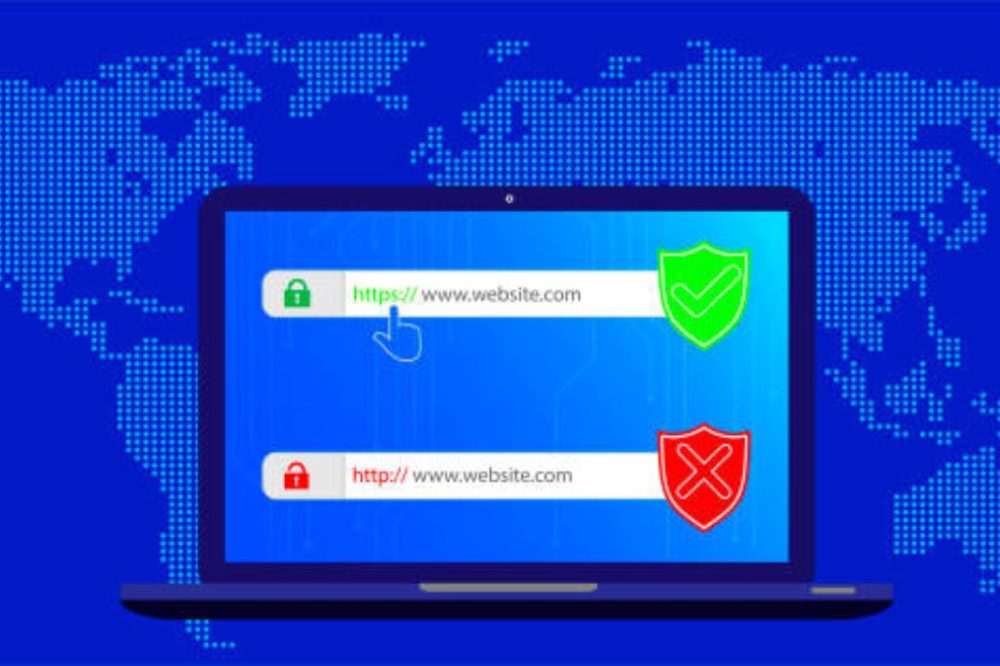
An SSL certificate encrypts the data exchanged between a visitor’s browser and your web server, preventing anyone on the same network from seeing passwords, credit card numbers, or other sensitive information. If you don’t have SSL on your site, any data your users send to your site is unencrypted as it travels across the internet – a significant security issue.
And then there are SEO and business repercussions, beyond security. Websites that don’t use HTTPS now show a warning badge in browsers, so users know right once that the connection is not secure. Google’s search algorithm favors HTTPS sites. And part of that client trust is generated through the green lock icon – even for small firms, removing the “not secure” warning makes a big impact in conversion rates.
Selecting an SSL Certificate Provider
Before we review particular providers, let’s go over what separates a trustworthy SSL vendor from a commodity reseller:
- SSL certificate options for your needs – not every site requires every kind of SSL. Know the difference between Domain Validation (DV), Organization Validation (OV) and Extended Validation (EV) certificates before you spend money on more than you need.
- Automation and renewal workflow – manually renewing your SSL certificate every year is a sure fire way of forgetting to renew it. The best suppliers have automated renewals and tools to make it easy.
- Compatibility – your certificate needs to work well with the browsers, smart phones and legacy systems your real users are using. Some of the cheaper certificates are incompatible and useless.
- Wildcard and multi-domain options – Know your options if you have subdomains or multiple domains. If you choose the wrong one you could wind up buying multiple certificates and you only need one.
- Customer support quality – To get SSL you must validate your domain and occasionally it doesn’t work, thus good help means a lot. Don’t cheap out on providers who really don’t help you out.
- Pricing – some companies give a low first-year price then hike renewal fees dramatically. But always inquire for year-2 and year-3 pricing before you commit.
- Integration with your hosting platform – If your certificate is well integrated with your hosting company’s control panel, you may easily install and renew your certificate. Installation friction is a real pain.
SSL certificates types
Different types of SSL certificates are not interchangeable, hence knowing them is important:
Domain Validation (DV) Certificates DV certificates are the most basic types of certificates, and only validate that you control the domain. They are fast to issue ($10–$50/year, generally within hours), cheap and good enough for most small webpages, blogs and marketing pages. The downside: Browsers don’t display any organization info and informed users may see them as less trustworthy.
Organization Validation (OV) Certificates OV certificates verify that the organization owns and has authority over the domain. They cost extra ($50-150/year) and take longer to process (1-3 days). They also write the name of the organization on the certificate which increases its legitimacy. It is perfect for e-commerce sites, SaaS platforms and enterprises that handle sensitive data.
Extended Validation (EV) Certificates EV certificates are the most difficult to validate, including legal business checks. They are built to be used in high-trust situations, such banking sites. They make some browsers show the green address bar (the maximum apparent evidence of confidence). They cost a lot of money ($100-$500+/year) and are slow (3-7 days). And overkill for most small firms, unless you truly want to show off maximum trust signals.
Wildcard Certificates Wildcard certificates (*.example.com) protect a single domain name along with all its subdomains with one certificate. This is ideal if you have several subdomains. They are about 2-3x the cost of standard DV certs but can be more cost effective if you would otherwise need a lot of certs.
Multi-Domain/SAN Certificates Multi-domain certificates (also called Subject Alternative Name or SAN certificates) are used to secure many completely different domains with one certificate. These are great for companies who have numerous brands or properties but they usually are about 50% more expensive than a single domain certificate.
Best SSL Certificate Providers 2026
1. Let’s Encrypt
Let’s Encrypt is free, automatic and increasingly the standard for small to medium sites. Certificates are valid for 90 days and renew automatically, so you never have to say, “Oops, I let it expire.” The problem is that Let’s Encrypt only offers DV certificates, so if you need OV or EV validation you’ll have to look elsewhere. But this is the obvious choice for most sites.
Ideal for: Small businesses, blogs, startups and anyone needing free SSL. Almost all modern hosting platforms have Let’s Encrypt integration built directly into their control panels.
Be aware of: DV certs only. If you need to verify trust signals for organization you need to go to a commercial provider.
2. Sectigo:
Sectigo is one of the world’s top SSL certificate providers, issuing most SSL certificates globally. They offer all kind of certificates (DV, OV, EV), wildcards & multi-domain options and wide compatibility. They’re inexpensive and compatible with most website hosting providers and website security solutions.
Best for: Organizations that want dependable certificates for several domains or require OV/EV certification.
3. DigiCert.
The SSL certificate market is on the upper end for DigiCert. Fast issuance, business level support and certificates trusted by every browser and device. Their CertCentral product manages certificate lifecycles for businesses. It’s not inexpensive compared to commodity suppliers but the support and stability is worth it for mission critical sites.
Best for: Enterprise customers, high-traffic e-commerce sites, and companies where delay or loss of confidence due to certificate difficulties is not an option.
4. Globalsign
GlobalSign has a wide variety of types of certificates, geared toward the enterprise use cases and interaction with website security solutions. They are priced between budget providers and premium vendors like DigiCert. They are known for quick issuance and excellent customer assistance.
Best for: Mid-market firms needing OV or EV certificates and solid support at a competitive price.
5. SSL Certificates from GoDaddy
GoDaddy is the most obvious SSL provider out there, and that’s mostly because they really push hard on small business owners. Their certificates are good, and in fact they’re Sectigo certificates rebranded as GoDaddy, but you’re paying a premium for the brand. If you’re new to SSL and buying one for the first time, the upside is simple purchasing and integration with GoDaddy hosting. The catch? You can get that same certificate cheaper from another provider.
Good for: Small business owners currently hosted on GoDaddy, who want to buy SSL easily and integrated without shopping around.
6. Sectigo (previously Comodo)
Comodo is now renamed to sectigo, so this is mainly old news. If you see comodo certificates being sold, a 3rd party is reselling. Go to sectigo directly for better cost and service.
7. Cloudflare SSL Certificate
Cloudflare offers free DV certificates for every site on their platform and premium solutions for OV and EV. They also do SSL/TLS termination so your cert will work even if your origin server doesn’t have one installed correctly. If you are already a Cloudflare customer for website security (DDoS, WAF etc), their SSL solution integrates smoothly.
Best for: Companies using Cloudflare for CDN or security that need built-in SSL.
8. Namecheap.com
Namecheap is competitive on DV, OV and wildcard certificates, with an aggressive first-year price and decent renewal rates. They integrate with their registrar and hosting services, so it’s straightforward to set up for clients currently using Namecheap to register domains.
Good for: Small companies, developers that want good credentials at a low price, no frills.
SSL Certificates and Other Web Security Solutions
Important Note: SSL certificates do not provide 100% security protection for your website. SSL certificates encrypt data in transit, but they do not prevent hacking, malware, DDoS attacks or data breaches. An all-in-one cybersecurity solution is a combination of SSL certificates and:
- Web Application Firewalls (WAF) – filter unwanted traffic before it reaches your server
- DDoS mitigation is the process of mitigating distributed denial-of-service attacks that flood your site
- Malware detection and cleanup – routine scans of your website for compromised data
- Vulnerability Scanning – Find weaknesses in your program before the attackers do
- SSL certificate management – automate certificate renewals and keep track of expiration dates
Providers like as Cloudflare, Sucuri and Wordfence integrate SSL into a broader security offering making them actual website security providers and not just certificate vendors.
What is the price of an SSL certificate?
Prices vary widely based on the type of certificate and the supplier.
- Free: Let’s Encrypt ($0/year) – DV certs only, perfect for most sites
- Budget DV: $10-30/year – commodity DV certs from resellers
- Mid-Range DV/OV: $50-150/year – DV/OV alternatives from reputable vendors
- Premium OV/EV: $150-$500+/yr Enterprise-level support, extended validation
- Wildcard/Multi-domain: $50-$300+/year (depends on provider and validation level)
The thing to note here is that often you are not paying for any differences in technology between certificates (DV certs from Let’s Encrypt are the same as DV certs from GoDaddy) “You pay for service, for how fast your service is, or for name recognition.
For most small businesses, Let’s Encrypt really is the answer: free, trustworthy, and good enough. Pay for a commercial certificate only if you need OV/EV validation for trust signals or if you are in a corporate environment with extensive certificate administration.
How to Choose the Best SSL Certificate Provider
Simply put, the decision tree is:
- Do you require automatic renewal and connection to your hosting provider? – If yes, use whatever SSL your server provides (usually Let’s Encrypt), or Cloudflare if you are using their CDN.
- Do you want OV or EV validation? – No? Let’s Encrypt. If yes then pick from Sectigo, DigiCert, GlobalSign or GoDaddy depending on your budget and support needs.
- Do you have several subdomains/domains? – If yes, compare the price of a wildcard or multi domain certificate to the price of obtaining individual certificates. One wild card can typically save money.
- Using an all-in-one site security platform? – If you are using Cloudflare, Sucuri or some other website security provider, their bundled SSL is usually the best bet in terms of ease of use and integration.
Best Practices for SSL Certificate
SSL certificate alone is not enough you have to manage it correctly:
- Renew Automatically: The most common SSL problem is a certificate inadvertently expiring. If your provider offers auto-renewal, use it.
- Monitor expiration: Set calendar reminder as backup even if auto-renewed. Certificate expiration is preventive, but sucks when it happens.
- Validate at the right level: don’t pay for EV validation if DV will do. In contrast, don’t scrimp on OV if you’ve got an e-commerce site that needs trust signals.
- You want to be sure you’re doing things appropriately. An SSL certificate doesn’t do a lot of good if your site forces users back to HTTP for certain pages. This can be caught by a website security vendor with a WAF but it has to be correctly implemented.
- Safeguard your private key: the security of your SSL certificate depends on the security of its private key. And never share it, never version control it – keep it safe on your server.
SSL Certificates and a Larger Security Strategy
SSL certificates are important, but not the only thing. Other comprehensive website security includes:
- Regular software updates (especially for WordPress, e-commerce platforms etc.)
- Strong authentication (2FA, especially for admin accounts)
- Regular backups (so you can restore if compromised)
- Security monitoring plans and incident reaction plans
- High-value sites require regular penetration testing
The certificate encrypts data in motion, but doesn’t defend against weak passwords, out of date software or social engineering – all much more common attack routes.
Final Takeaways
Picking the right SSL provider isn’t rocket science and for most small sites Let’s Encrypt is the obvious solution. It’s free, stable and works directly with most hosting platforms. If you need OV validation or business support, Sectigo, DigiCert or GlobalSign are good, fairly priced options. The biggest mistake you can make is buying an expensive certificate that will provide the same level of encryption and protection as a cheaper one.
Start with the certificate your hosting provider recommends (most often Let’s Encrypt). Only choose a premium provider if you have a unique need, like needing OV/EV validation for trust, complicated multi-domain scenarios, or enterprise assistance. SSL is only the start. Invest in comprehensive website security with a WAF, regular scanning and excellent operational security practices.
Frequently Asked Questions
1. The best SSL certificate provider for small businesses
Let’s Encrypt is the best option for most small enterprises as it’s free, automatically renewed and the encryption is the same as with paid-for certificates. Cheap OV certificates for trust signals for org validation, $50-$150/year Sectigo or GlobalSign
2. Yes, you truly need an SSL Certificate.
Yes — browsers now actively alert users about non-HTTPS sites, Google ranks HTTPS sites higher, and SSL is a necessity for any site collecting passwords or financial information. Even for modest brochure sites, SSL should be utilized for credibility.
3. What is the difference between DV, OV and EV SSL certificates?
DV (Domain Validation) just proves you own the domain. OV certifies your firm and your company name is displayed on the certificate as well. EV activates the green address bar in browsers and demands the strictest verification of everything. DV will be fine on most sites. OV provides trust cues to online shopping. Most firms don’t require EV.
4. Should you acquire a wildcard or multi-domain SSL certificate?
If you have many subdomains buy a wildcard certificate (*.example.com will cover www, blog, app etc.) If you have many completely different domains buy a multi domain certificate. Both cost more than a single domain certificate, but they save money if you require several certificates elsewhere.
5. What happens if my SSL certificate expires?
“not secure” warnings will appear instantaneously in browsers on your website and your users will lose confidence in it and Google could even reduce your search rankings. Most importantly you render HTTPS utterly non-functional. Certificate expiry is manageable, but devastating if it happens. Always use auto renewal, or set calendar reminders.

Enjoyed this article?
If this guide helped you, consider supporting Rough Diary. Your support helps us continue creating practical, informative, and useful AI and technology content.